History lovers often enjoy gifts that make room for reading, note-taking, and quiet time with an engaging puzzle. These nine ideas span useful desk accessories and cozy ways to spend a free afternoon.
Choose something that suits how they explore the past, whether they mark passages in a book, jot down research, or enjoy a hands-on Americana scene.
9 Gift Ideas for History Lovers
VASAGLE 4-Tier Industrial Bookshelf
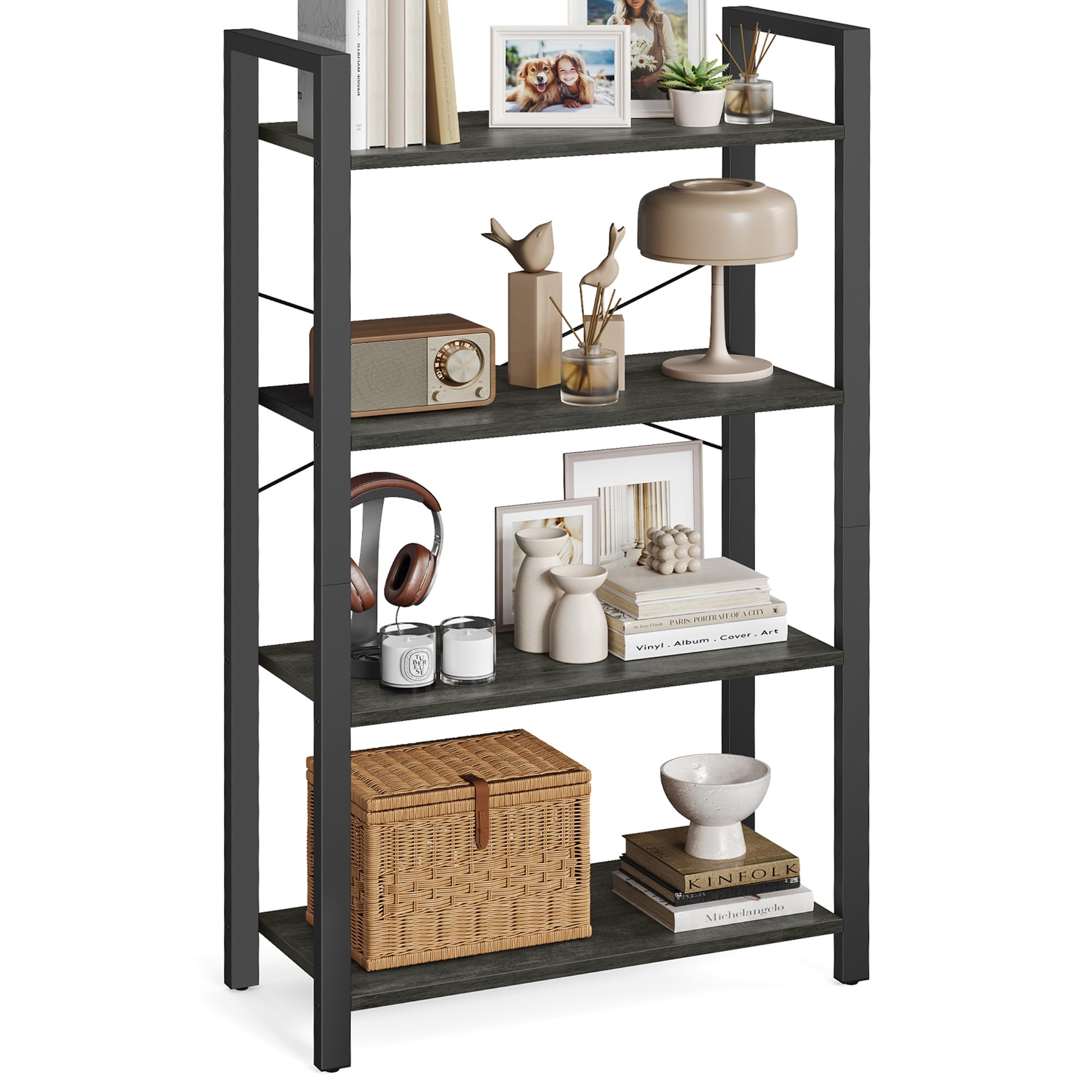
- Four tiers provide vertical storage for books and other items.
- A mix of particleboard and a steel frame forms the structure.
- Adjustable feet and an included anti-tip kit support stable placement.
Best Gift For: A history reader building a dedicated book corner at home.

Mr. Pen Black Metal Bookends, 6-Pack
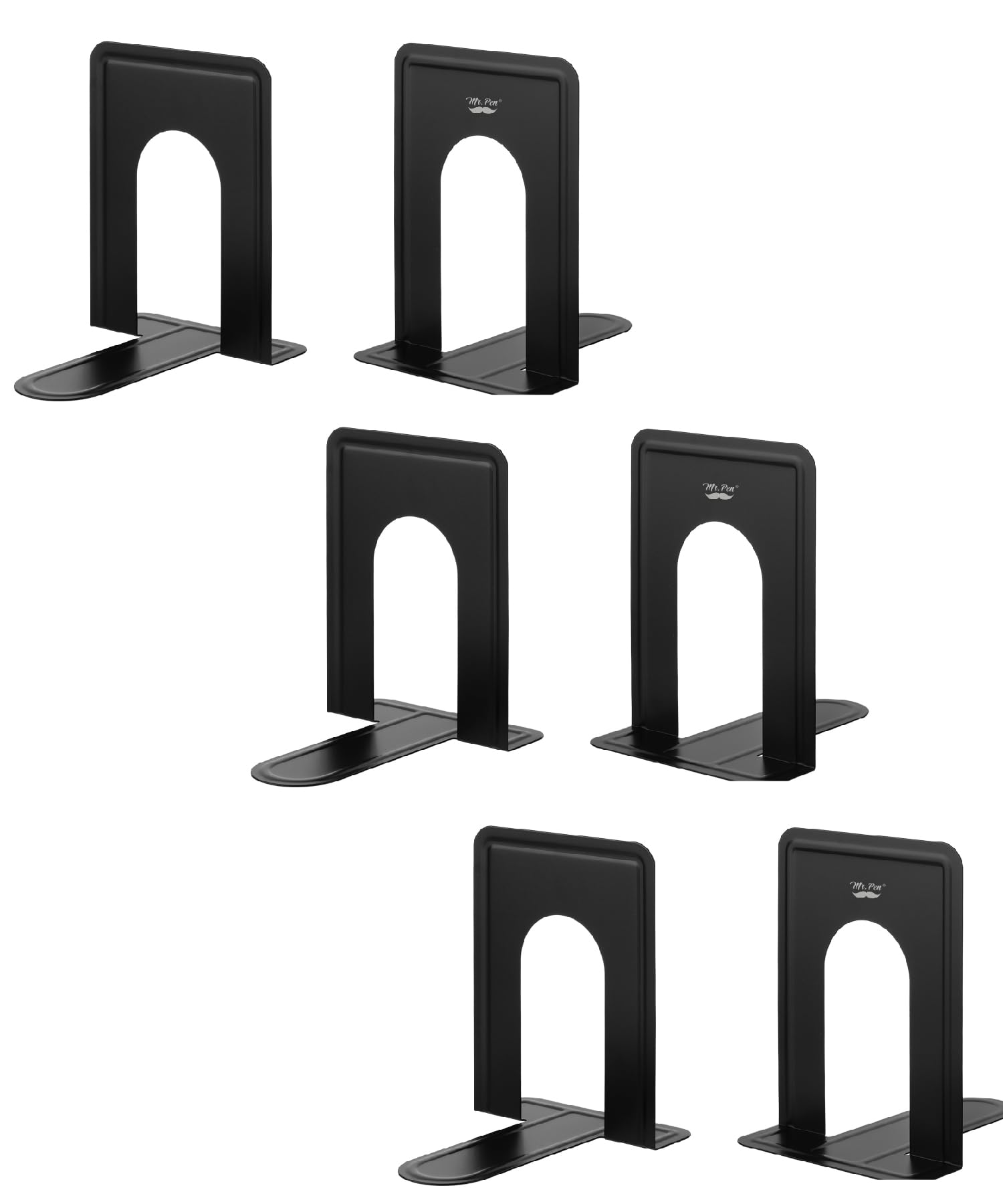
- The set includes six bookends for organizing shelves.
- Heavy-duty metal construction provides support for books and files.
- The black finish suits home, office, or classroom shelving.
Best Gift For: A reader who wants to keep history books and research materials upright.
Glocusent Rechargeable Neck Reading Light

- Three color modes and adjustable brightness offer lighting choices.
- The flexible arms adjust for a comfortable angle.
- A narrow beam design focuses light on the reading area.
Best Gift For: A history reader who likes hands-free reading in bed.
Mr. Pen Magnetic Bookmarks, 12-Pack
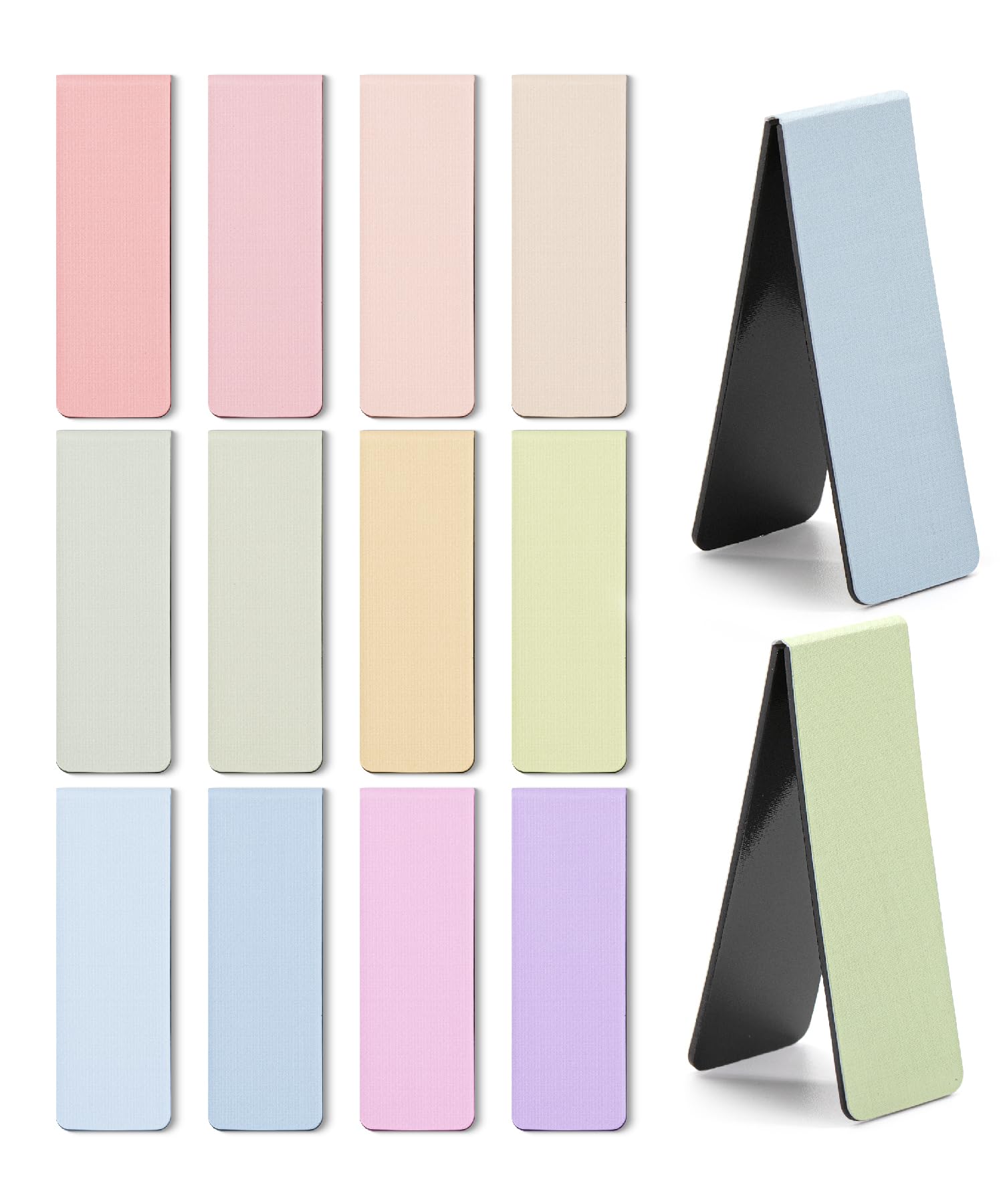
- The set has twelve magnetic bookmarks in soft pastel colors.
- Magnetic closures help keep bookmarks in place while reading on the go.
- The slim bookmarks mark pages without adding much bulk.
Best Gift For: A student or avid reader who marks pages in history books and planners.
Cross Edge Blue Gel Ink Rollerball Pen
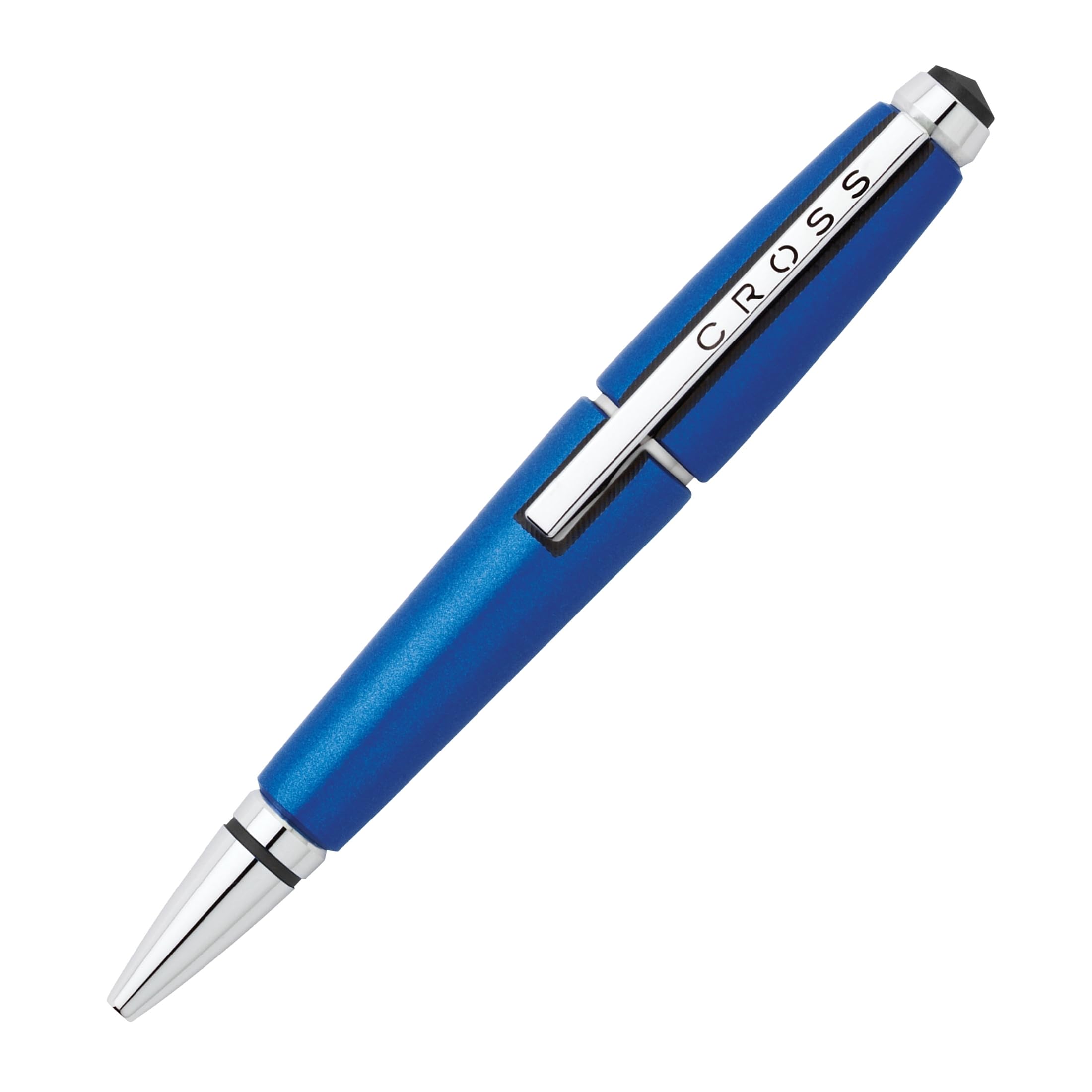
- The pen has a metal and resin body.
- Its slide-open design closes with a snap.
- The ergonomic shape is intended for a comfortable grip.
Best Gift For: A history reader who enjoys journaling or writing thoughtful notes.
Clever Fox Dotted Journal 2.0, A5
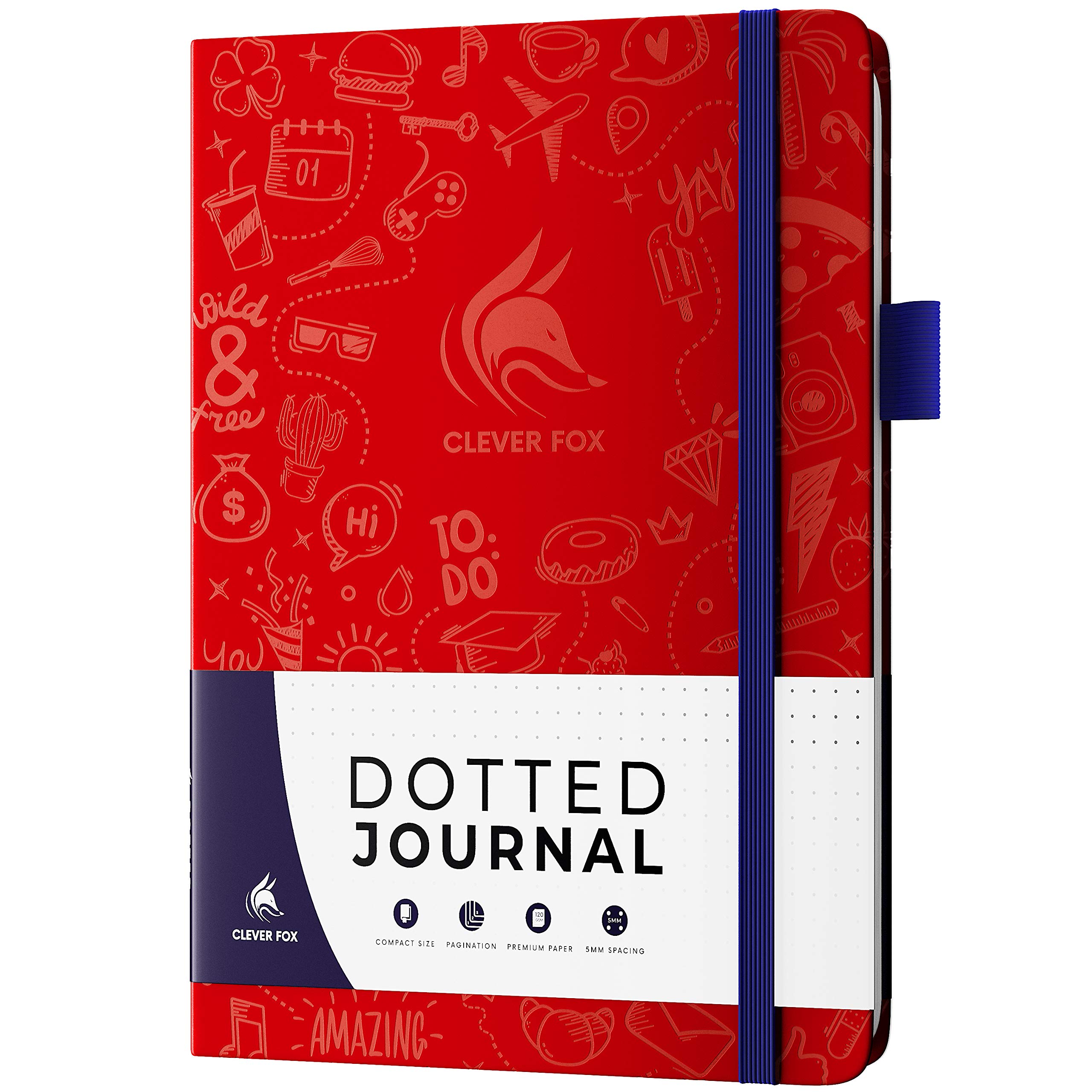
- The journal has numbered dotted pages with key and index pages.
- A pen loop, ribbon bookmarks, and a pocket help keep materials together.
- Lay-flat binding supports comfortable writing.
Best Gift For: A history enthusiast who likes to organize notes, sketches, or reading plans.
10X Rectangle Magnifying Lamp with Light
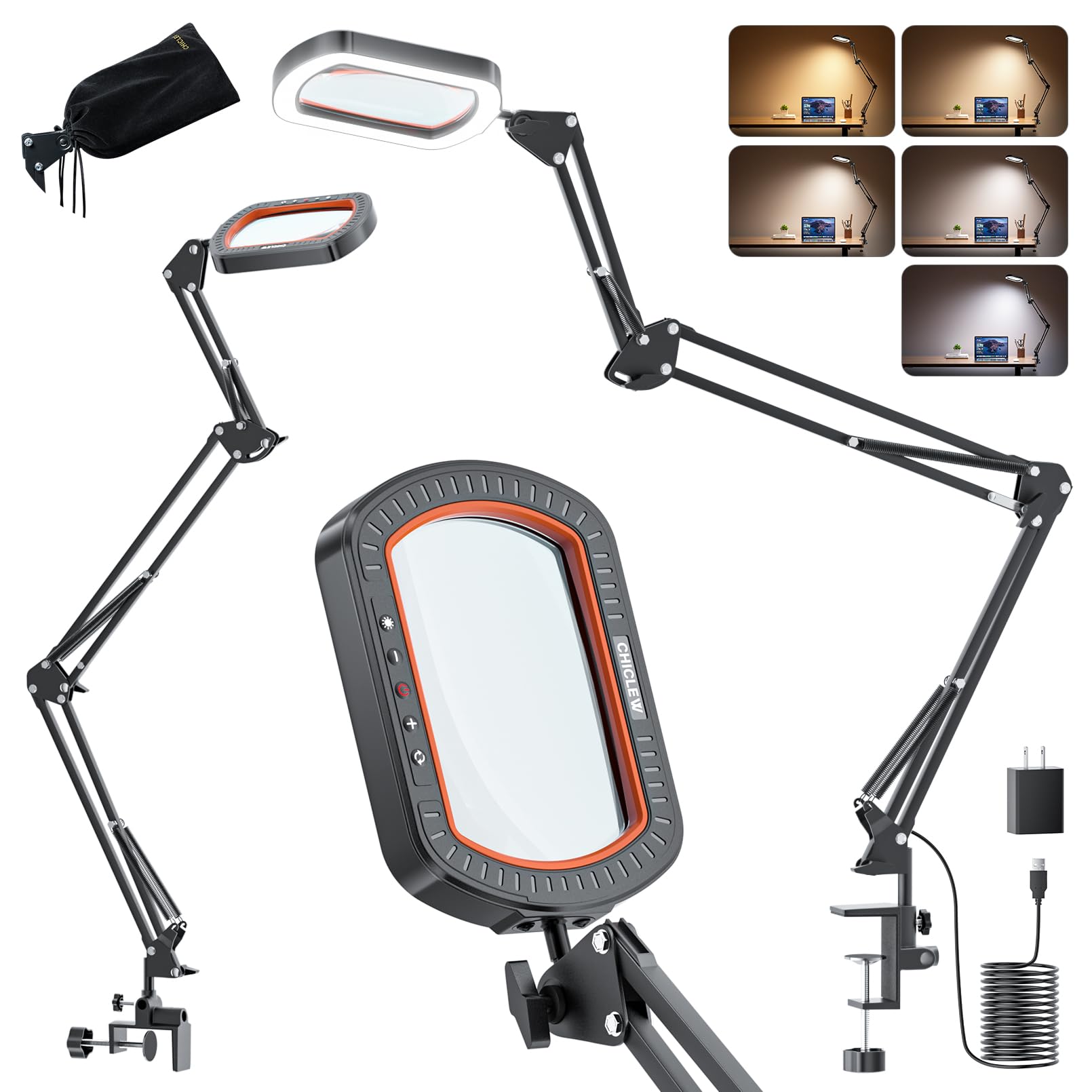
- The rectangular magnifier is made with genuine glass lenses.
- Five color modes and brightness control adjust the light.
- The lamp clamps to a desk or work surface for positioning.
Best Gift For: A history reader who works with small print or detailed documents.
Kolbs Wedge Reading Pillow with Arms
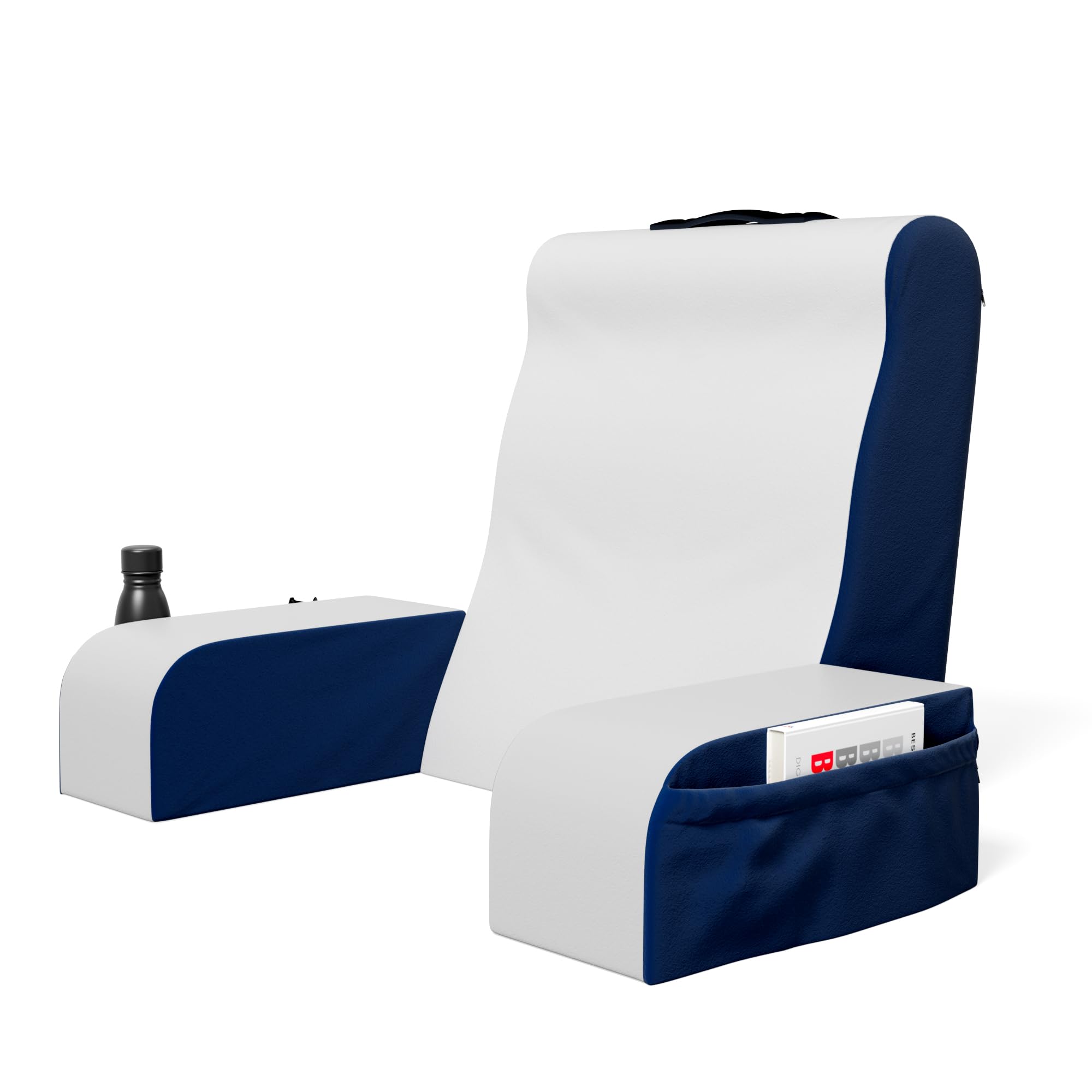
- Solid structured foam provides support with soft cushioning.
- Side pockets can hold a phone, remote, or book.
- The plush cover is removable for washing.
Best Gift For: A history reader who likes to sit up comfortably in bed with a book.
Frank's Friendly Service Americana Jigsaw Puzzle, 1000 Pieces
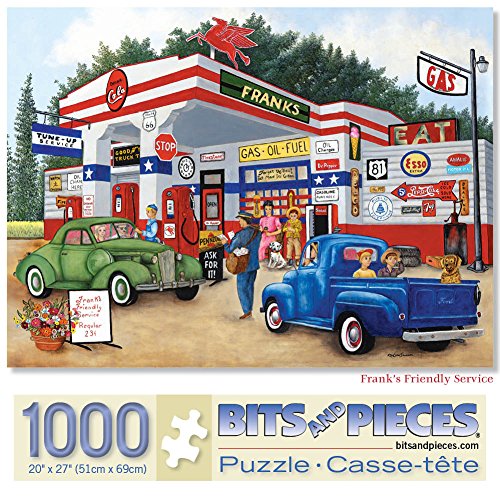
- The puzzle features a nostalgic summer scene by Kay Lamb Shannon.
- Recycled cardboard and thick chipboard backing make up the puzzle materials.
- Randomized die-cut shapes give pieces varied forms.
Best Gift For: A history lover who enjoys Americana imagery and a focused puzzle activity.
Choosing gifts for history lovers under 50
When choosing gifts for history lovers under 50, start with how the recipient spends time with the subject. A reader who keeps several books close may appreciate shelf organization, while someone who studies primary sources or takes class notes may prefer tools for marking pages and recording ideas.
Think about where the gift will be used. A bedside reader may value a hands-free light or a supportive place to sit, while a person who enjoys quiet projects could welcome an Americana puzzle.
If they read small print, consider whether a magnifier would be useful for their materials and space.
Personal taste matters as much as the historical theme. Some people gravitate toward books and research, while others enjoy period-inspired images, journaling, or a well-arranged reading nook.
A gift that supports an existing habit often feels more personal than something that simply carries a history label.
Balance usefulness, budget, and space
For gifts for history lovers under 50, consider how much room the item needs and whether it fills a real gap. Small accessories are easy additions for someone already surrounded by books; a larger piece for a reading corner makes more sense when you know there is a suitable place for it.
A modest gift can feel complete when it solves a familiar annoyance, such as losing a page marker or struggling to organize notes. For a more substantial present, pair a practical item with a personal note about the kinds of history the recipient likes to read or study.
Before buying, check the current price and the product’s dimensions against your budget and available space. Think too about whether the recipient already owns a similar item.
These simple checks help keep the choice thoughtful and avoid giving something that becomes difficult to store.
Personalize the gift around their interests
A small note can connect a useful gift to the recipient’s particular interests. Mention a historical period, place, or biography they have enjoyed, then suggest a book or source they might explore next.
This works especially well with gifts for history lovers under 50 that support reading, journaling, or research.
For someone who likes taking notes, add a prompt for recording a favorite quotation or an unanswered question from their next book. For a puzzle fan, a note can suggest making an afternoon of it together.
Keep the message specific to what you know they enjoy, rather than assuming every history lover has the same interests.
Presentation can carry the theme without adding much expense. Use a simple paper wrap, a handwritten tag, or a bookmark tucked into the card.
If you are giving a larger item, leave the original packaging intact and include a short note explaining why you thought it would suit their reading space.
Make the choice easy to use
Consider whether the recipient prefers a quiet, independent activity or something they can share with others. A puzzle invites a different kind of afternoon than reading accessories do, while organization pieces can support habits they already have.
Match the gift to their routine and the amount of space they can comfortably devote to it.
For desk or reading-area gifts, check compatibility and dimensions before ordering, including whether the recipient has a suitable surface or setup. For notebooks and writing accessories, consider whether they prefer structured planning or open-ended notes.
Those practical details can make a useful present feel naturally chosen for them.
If you are uncertain, a smaller, easy-to-store accessory can be a considerate gesture, especially when paired with a personal card. Avoid guessing at specialized interests; a question about a favorite era or author can guide a later gift and show genuine attention without turning the occasion into an interview.
Last-minute buying advice for history lovers
For a last-minute choice, begin with an item that fits a known routine rather than trying to identify a niche historical interest at the last moment. A regular reader, note-taker, or puzzle enthusiast gives you a useful starting point.
Check current product details, compatibility, and dimensions before placing an order.
Review delivery estimates for your address and the date you need the gift. Availability and arrival timing can change, so leave room for a backup plan such as a handwritten card describing the gift if it arrives later.
Do not rely on a shipping assumption until you have checked the checkout details.
A digital note or a printed message in a card can make a delayed physical present feel intentional. Include a personal reason you chose it and, if useful, a suggestion for when they might enjoy it.
Thoughtful context often matters more than elaborate wrapping, especially when time is short.